Many law firms are slow to answer new inquiries, and viable cases go to whoever calls back first. AI intake done right closes that gap. Done wrong, it rejects your best cases before a human sees them.
Extracting treatment dates, providers, diagnoses, and billed amounts from a stack of unstructured records used to take a paralegal an afternoon. AI does most of it in minutes, but the part it gets wrong is where cases get made or broken.
Many PI clients feel lost because firm communication lacks context about case phases and timelines. Proactive education, via tools like Quilia or AI summaries, sets expectations and reduces client anxiety.
We've talked to hundreds of PI coordinators. The same complaints come up every time. Here's what medical providers wish attorneys understood about working lien cases together.
Medical providers track PI case details in spreadsheets, leading to constant calls for updates. Attorney-focused tools like Filevine neglect this, causing communication gaps that harm case value and provider trust.
Your lien company isn't just another vendor. They're an investment partner carrying real financial risk on your cases. The firms that treat them like partners get better reductions, faster approvals, and priority treatment. Here's how to fix one of the easiest relationships in PI law.
Personal injury firms are facing increasing pressure to cut costs due to tighter margins from insurance companies, prompting a shift toward legal process outsourcing (LPO) as a solution. While outsourcing can alleviate immediate workload burdens, it doesn't eliminate the need for automation and strategic growth to avoid hitting productivity ceilings.
AI has transformed LegalTech discussions, but many startups relied on superficial solutions rather than unique data, leading to an impending bubble correction. At Quilia, we prioritize proprietary client-driven data in personal injury cases, which empowers us to deliver meaningful insights and better outcomes beyond generic AI capabilities.
Running a solo personal injury practice means juggling legal work, client communication, treatment tracking, and deadlines without support staff. This guide breaks down how the right personal injury software helps solo attorneys reduce burnout, improve case quality, and scale without sacrificing control.
A personal injury case manager coordinates medical treatment, answers client questions, and manages active cases, becoming the main point of contact for clients. Their role is crucial for smooth operations in a PI law firm, but it can lead to burnout without effective systems and tools to streamline communication and tasks.
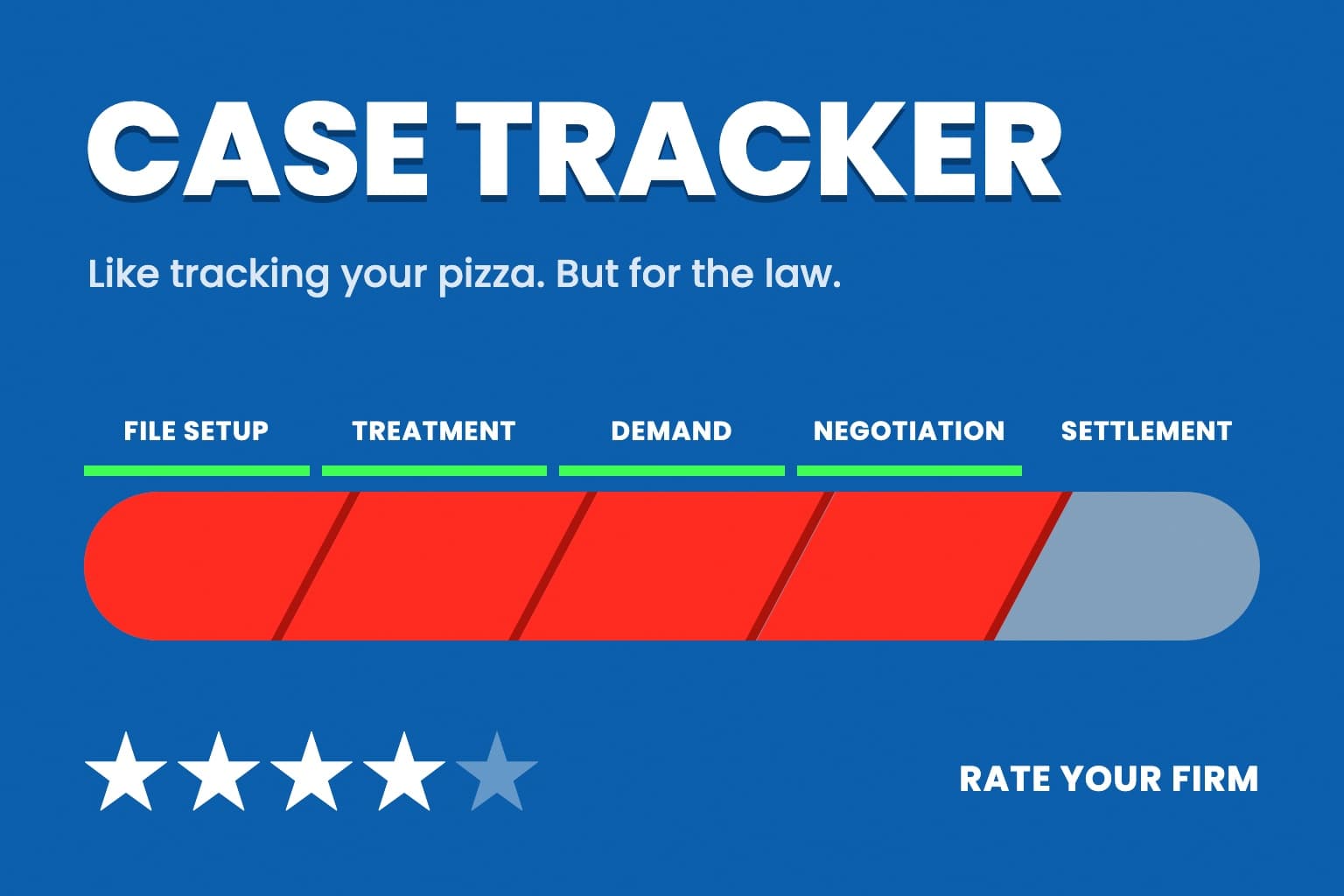
Phase updates are helpful, but personal injury cases need more than a simple status tracker. This article explains why attorney-client communication can’t stop at case phases and how consistent, proactive engagement keeps clients informed, compliant, and confident throughout their case.

 Kenny Eliason