An AI harness is the machinery that lets AI act on a case instead of just answering questions about it. Here is what the first one built for personal injury does, and why it had to be built where the client is.
The most interesting use of AI agents in PI is not replacing attorney judgment. It is building software that can remember the case well enough to help move it forward.
AI can cut an hour off a demand letter draft. It can also cost you $50,000 in settlement value if you use it wrong. A field guide to the workflow that actually works.
A field-tested look at where AI earns its keep at personal injury and plaintiff firms (intake triage, demand letters, medical record summarization and client communication), plus the parts that still need a human.
Many law firms are slow to answer new inquiries, and viable cases go to whoever calls back first. AI intake done right closes that gap. Done wrong, it rejects your best cases before a human sees them.
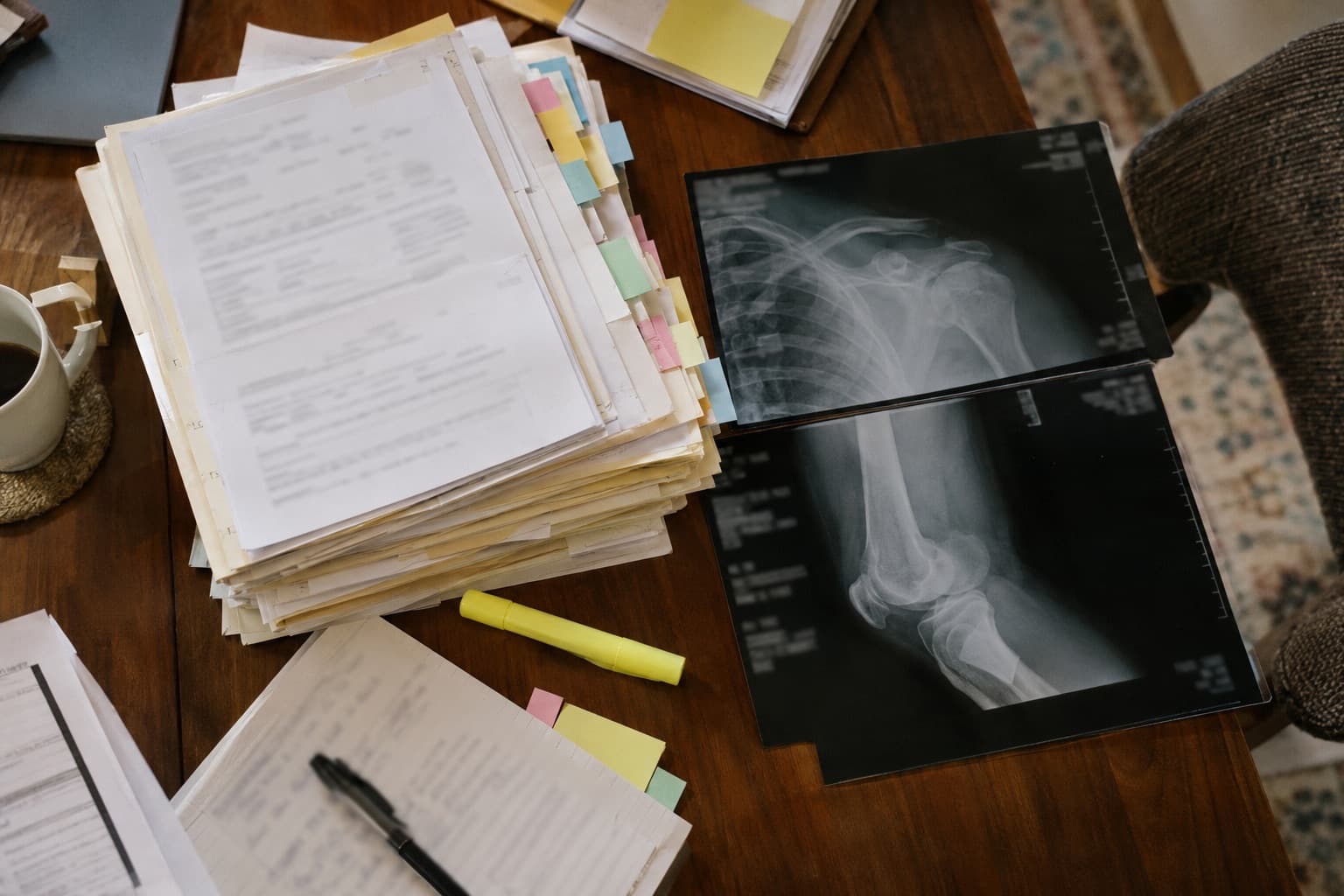
Extracting treatment dates, providers, diagnoses, and billed amounts from a stack of unstructured records used to take a paralegal an afternoon. AI does most of it in minutes, but the part it gets wrong is where cases get made or broken.

 Kenny Eliason