Stay informed with product updates, company news, and insights on how Quilia helps personal injury law firms improve client communication and case outcomes.
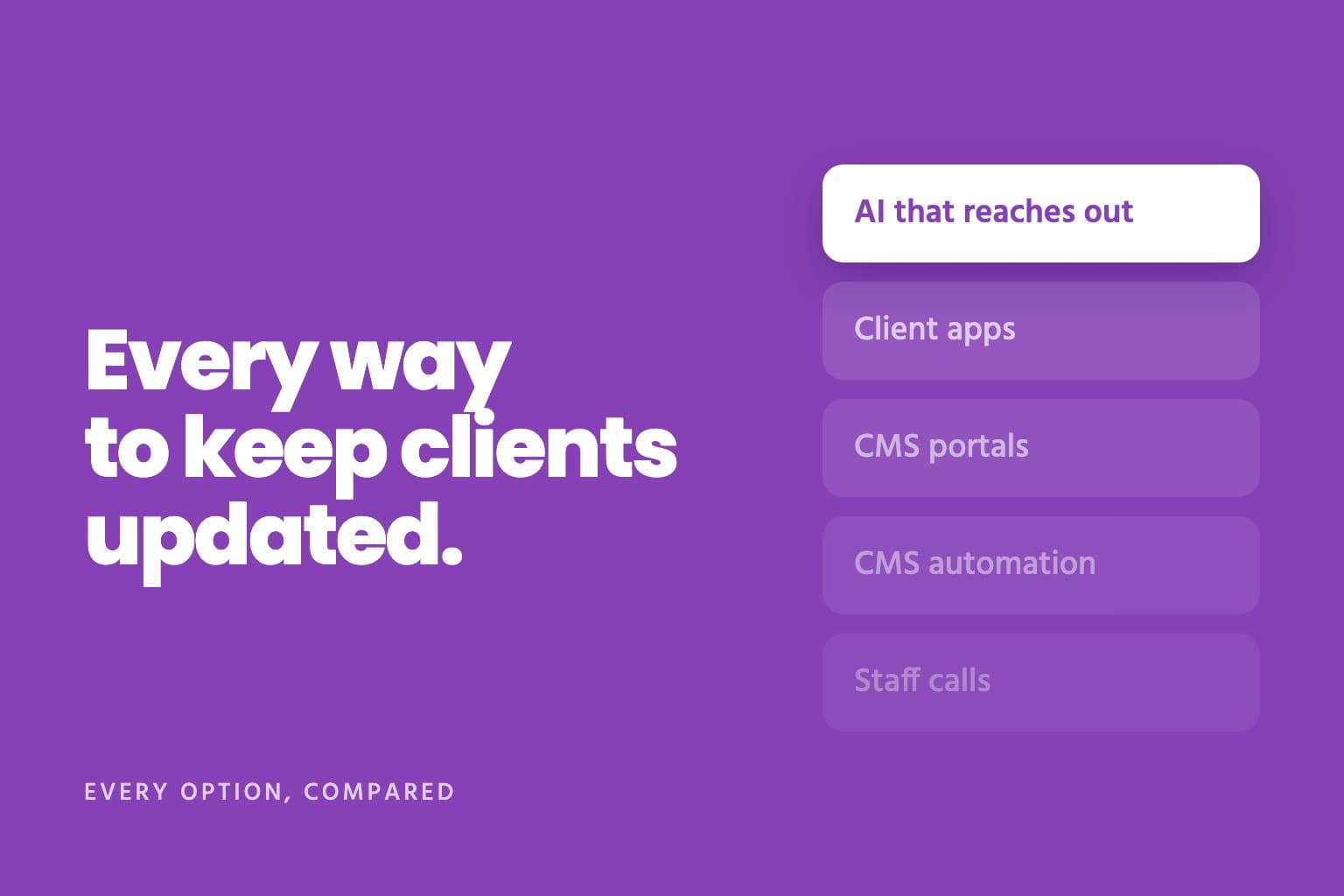
Five ways law firms keep clients updated, from AI that reaches out for you to client apps, CMS portals and staff phone calls, with the tools in each, who each one fits, and our pick.
Status calls come from silence, not from impatient clients. Here is what to send at each phase of a personal injury case, which updates to automate, and how to let clients ask a question without picking up the phone.
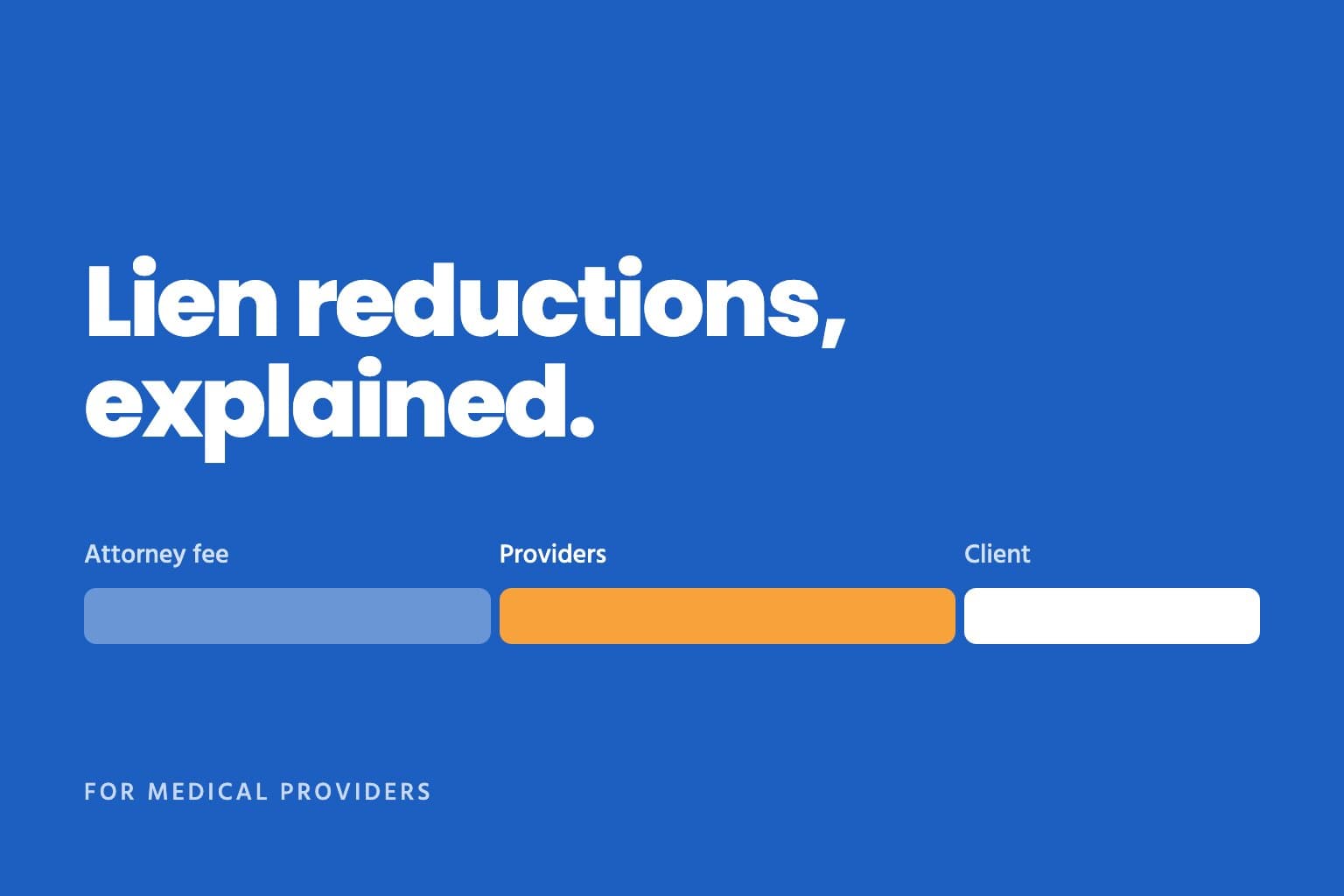
The provider you refer a client to shapes the case almost as much as the facts do. Here is what a lien-based, PI-literate provider does differently, from how they get paid to how they write the chart.
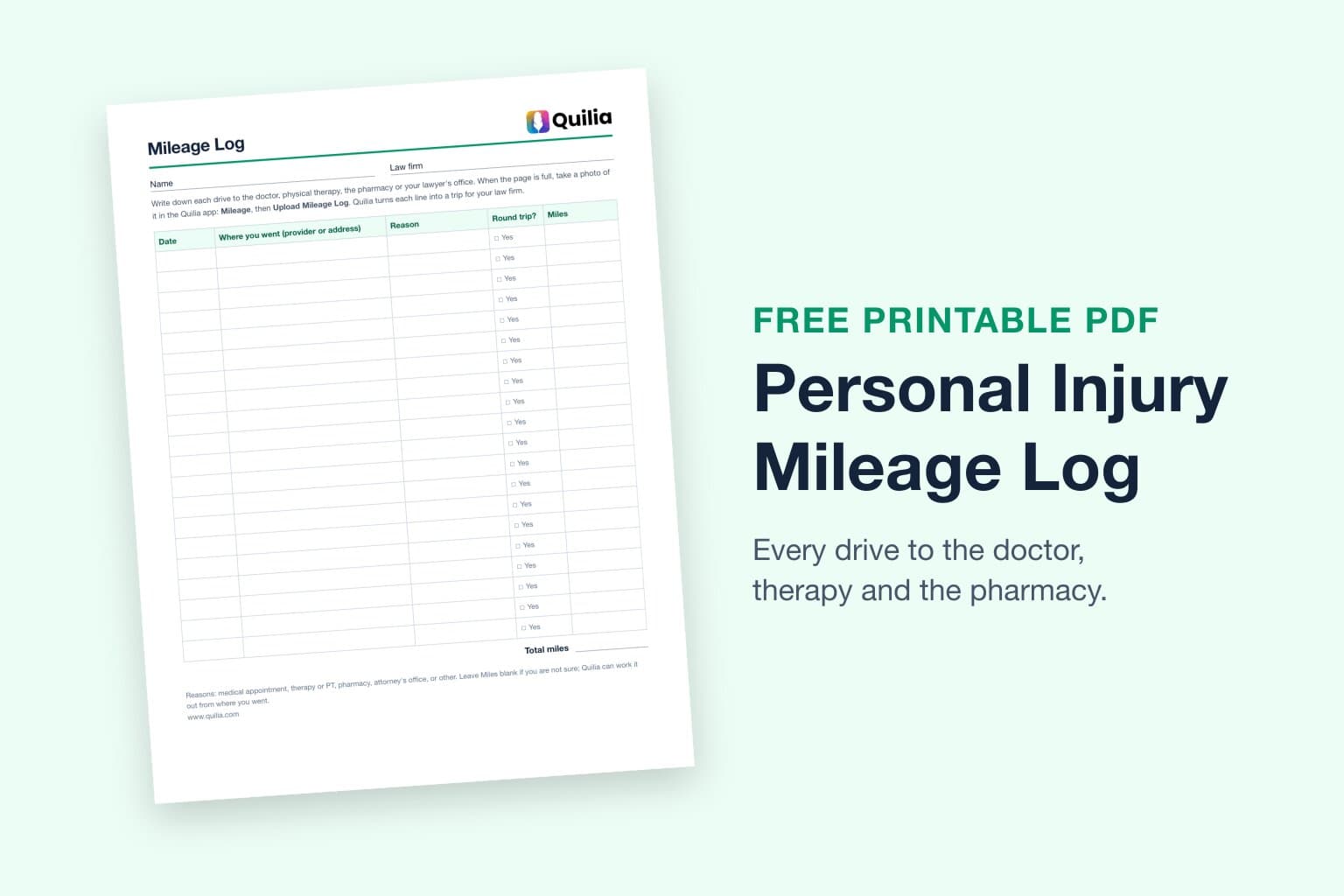
A free printable mileage log for personal injury clients, with what to write down for every drive to the doctor, physical therapy, the pharmacy and the lawyer, and an easier way to keep it.
Medical records prove what providers saw. They say nothing about what the client lived through between visits, and at a deposition a year later, the client has to remember all of it. Why the case file needs a real memory of what happened.
An AI harness is the machinery that lets AI act on a case instead of just answering questions about it. Here is what the first one built for personal injury does, and why it had to be built where the client is.
The most interesting use of AI agents in PI is not replacing attorney judgment. It is building software that can remember the case well enough to help move it forward.
A personal injury client portal should do more than cut status-update calls. It should help clients stay engaged, keep appointments, and keep treatment from slipping.
Personal injury case management software only solves part of the problem if firms still rely on status update calls instead of a client portal people actually use.
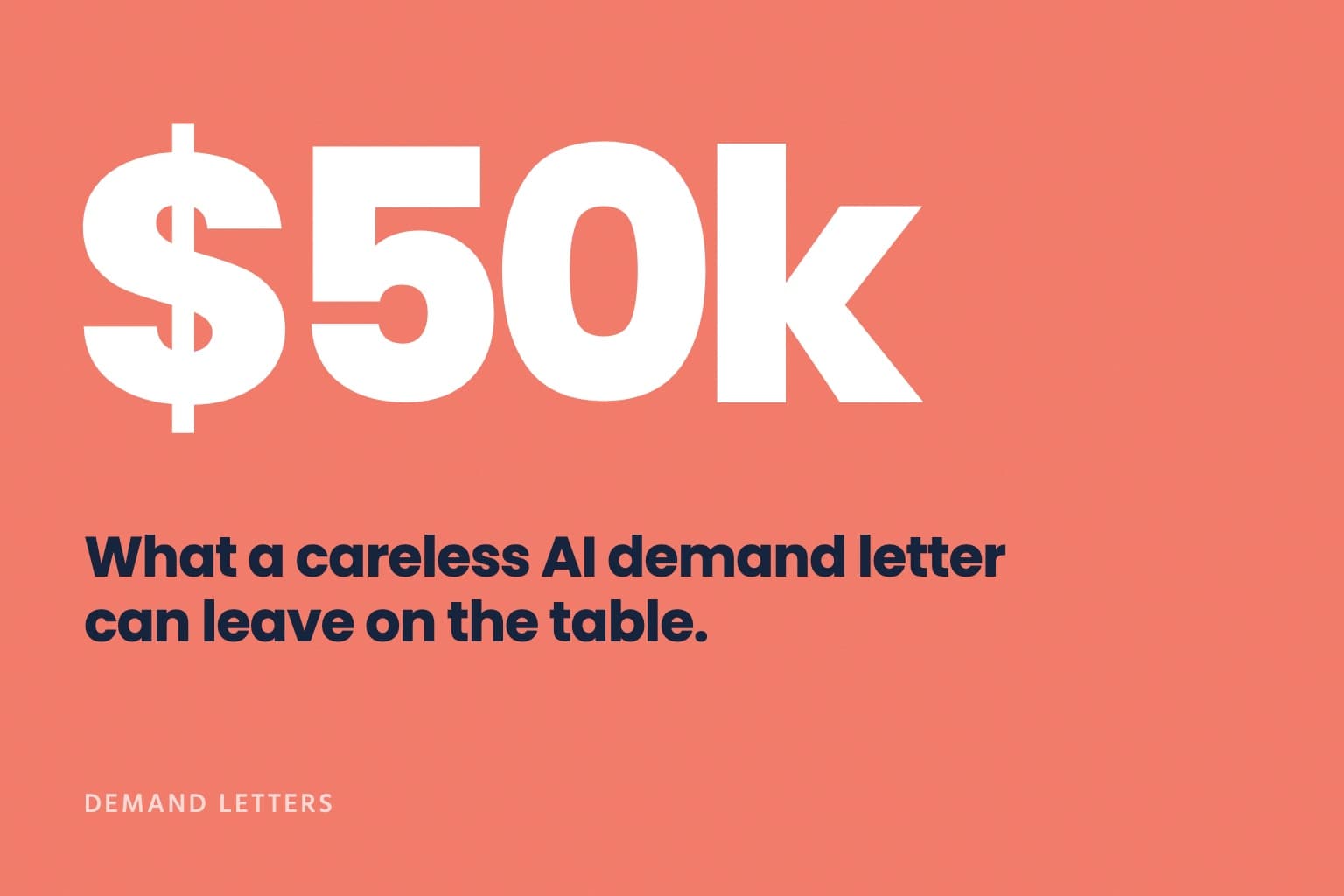
AI can cut an hour off a demand letter draft. It can also cost you $50,000 in settlement value if you use it wrong. A field guide to the workflow that actually works.
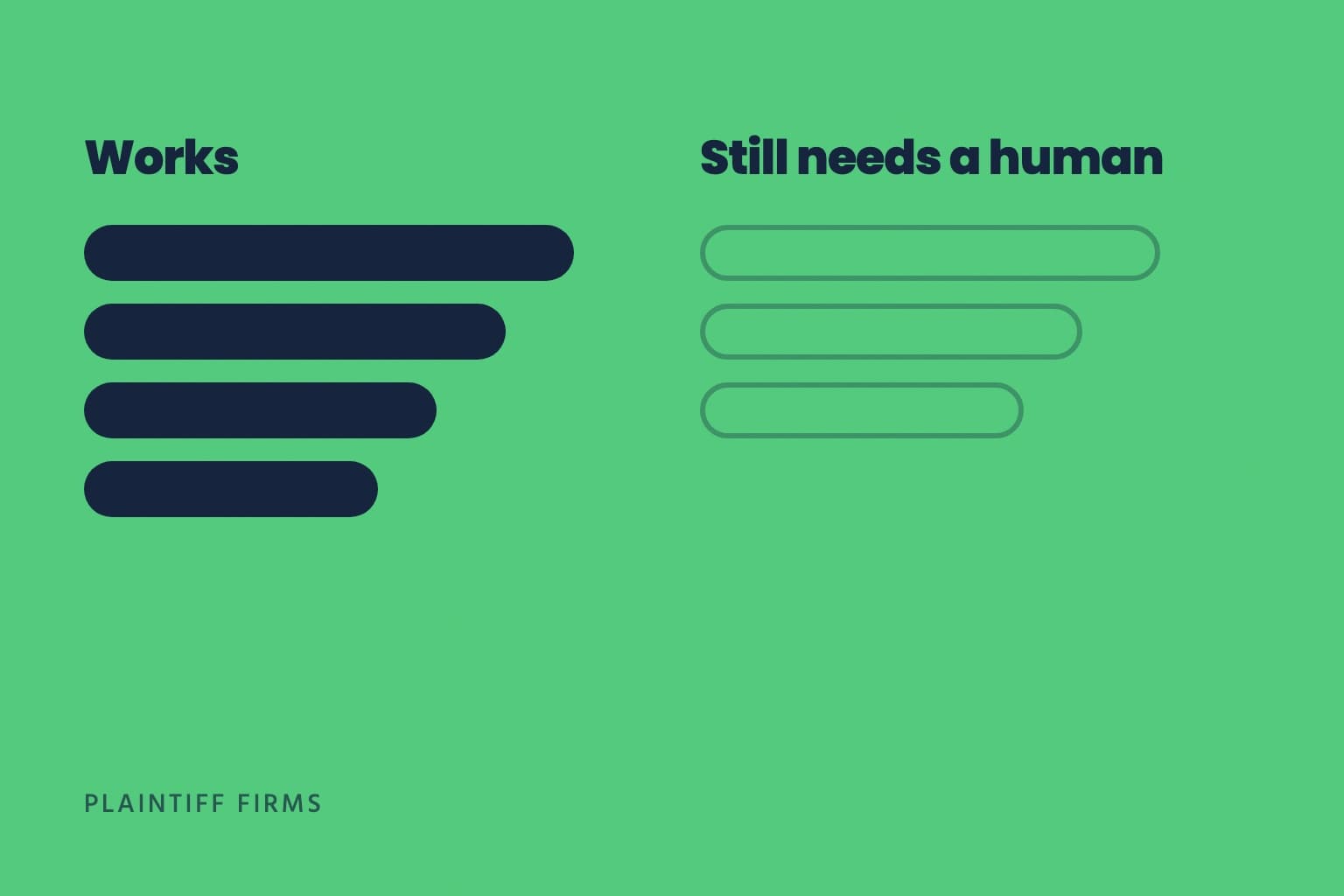
A field-tested look at where AI earns its keep at personal injury and plaintiff firms (intake triage, demand letters, medical record summarization and client communication), plus the parts that still need a human.
 Kenny Eliason